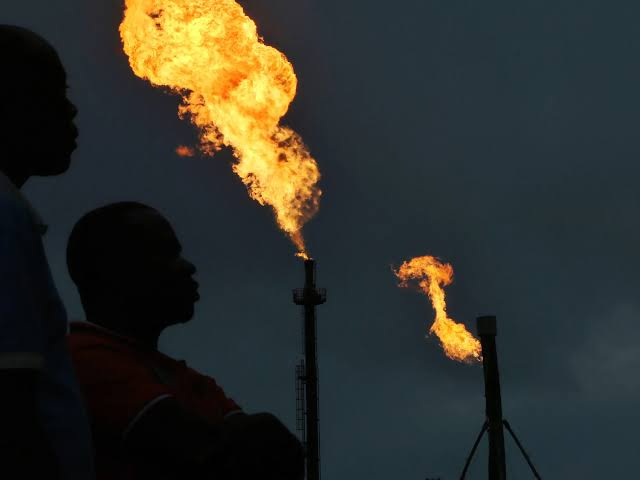
Black Gold: New Ground

Ownership Is the Infrastructure

A partnership for direct and meaningful ownership in African energy assets.

Yachtze Luchin · Jeff WatkinsUnite Oil and Gas International · August 2026
The Mission

Our connection to Africa should include ownership of the assets shaping its future.

Who

African-American luminaries, African energy operators and cultural storytellers.

Around what

Something tangible: a direct economic stake in energy assets.

As

Participants and decision-makers — owners, not beneficiaries.

Oil and Gas in Plain Terms

How an oil field makes money, and where our opening is.

1
Find it

Years and large sums spent searching. Most of the industry's risk sits here — the search often finds nothing.

2
Develop it

Wells are drilled and equipment installed. A construction project with a known target.

We begin here
3
Produce and sell it

Oil is pumped, piped to a coastal terminal and sold at the world price. Gas follows once a buyer is signed.

4
Generate revenue

Revenue pays operating costs and government taxes first. What remains belongs to the field's owners, in an agreed order.

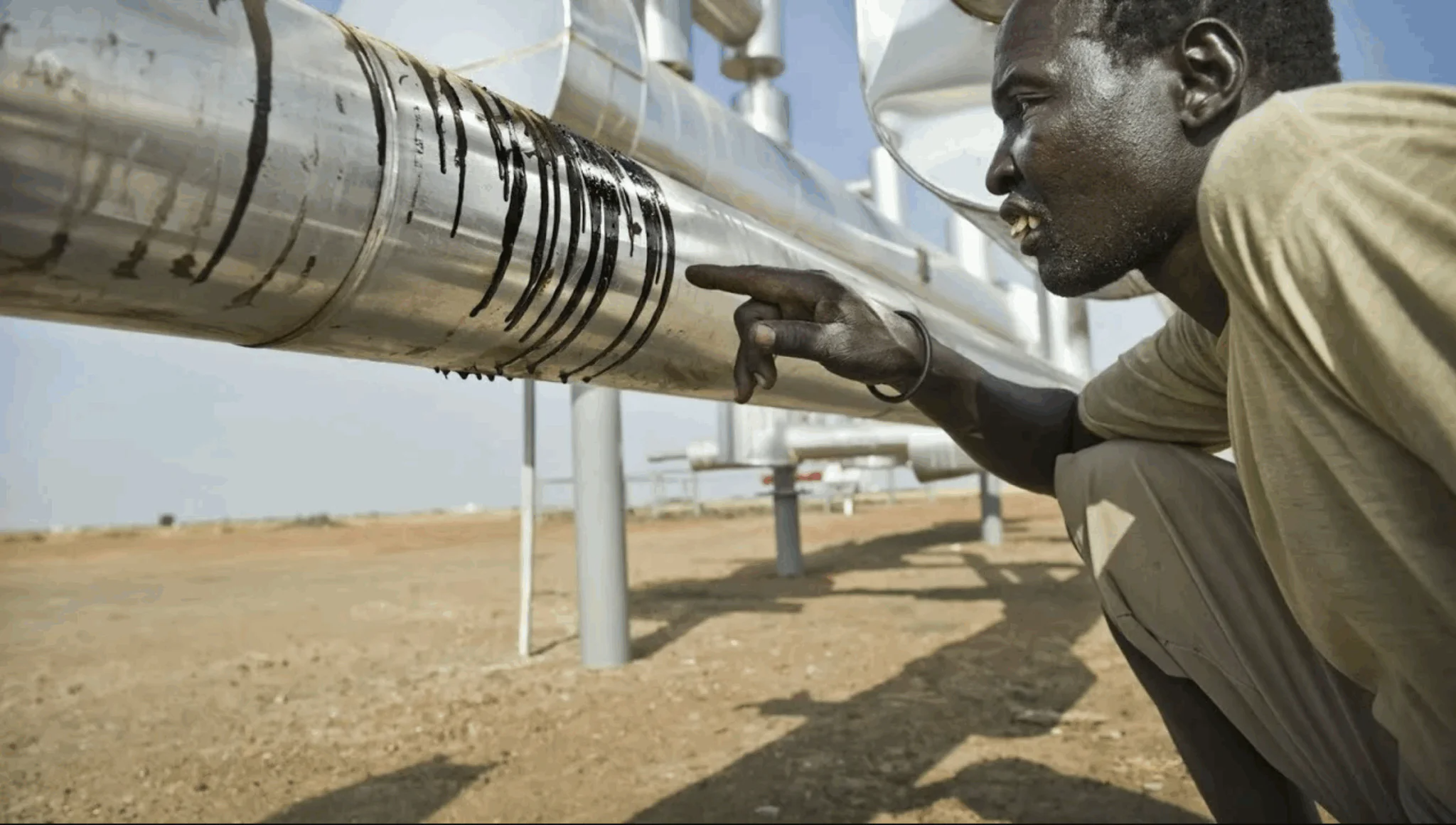
The oil in our first opportunity has already been found; the pipeline and terminal already exist a short distance away. That removes the most expensive risk in the business and shortens the path to creating profit.
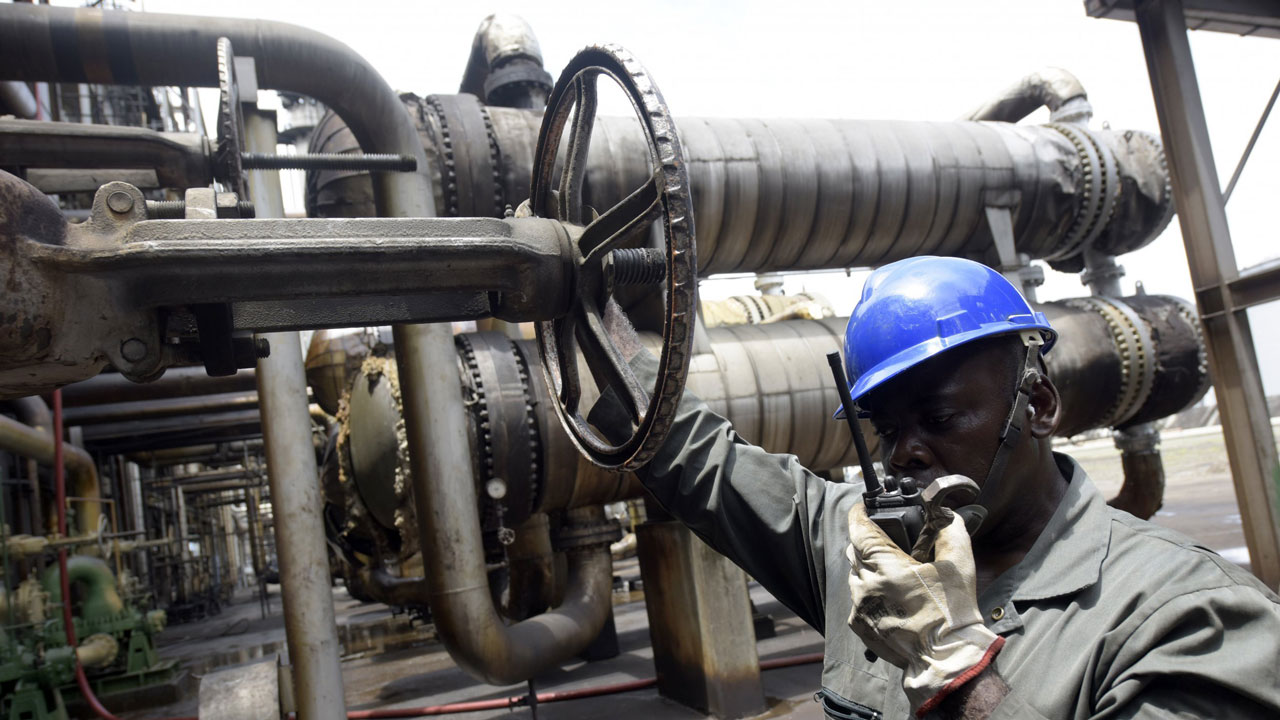
The Commercial Window

Real opportunities are available that are not being developed.

01
Majors leave profitable fields behind

Smaller fields fall below their attention. The oil stays in the ground.

02
Local owners and the state hold the licences

Nigeria's marginal-field programme awarded many of these fields to Nigerian companies — often near existing pipelines and plants.

03
Capital and development experience are missing

A licence holder has the right. Whoever brings the money and the operating team earns a share of ownership.

The cost of the gap

Oil left in the ground, idle equipment, and jobs that never materialize.

The partnership brings the capital and the operating team; in return it holds a majority share of the field.

Below a Major's Threshold

The same field, seen from three positions.

To a major operator
Immaterial

Capital concentrates on billion-dollar scale. Smaller assets fall below portfolio thresholds regardless of their own merit.

To a focused owner
Meaningful

Proven production, reserves and infrastructure reduce uncertainty. Focused investment can extend productive life.

To the host country
Preserved

Government revenue, local jobs and suppliers, useful infrastructure, and more value from resources already discovered.

A field can be immaterial to a major and still be economically meaningful to a focused owner and a host country.
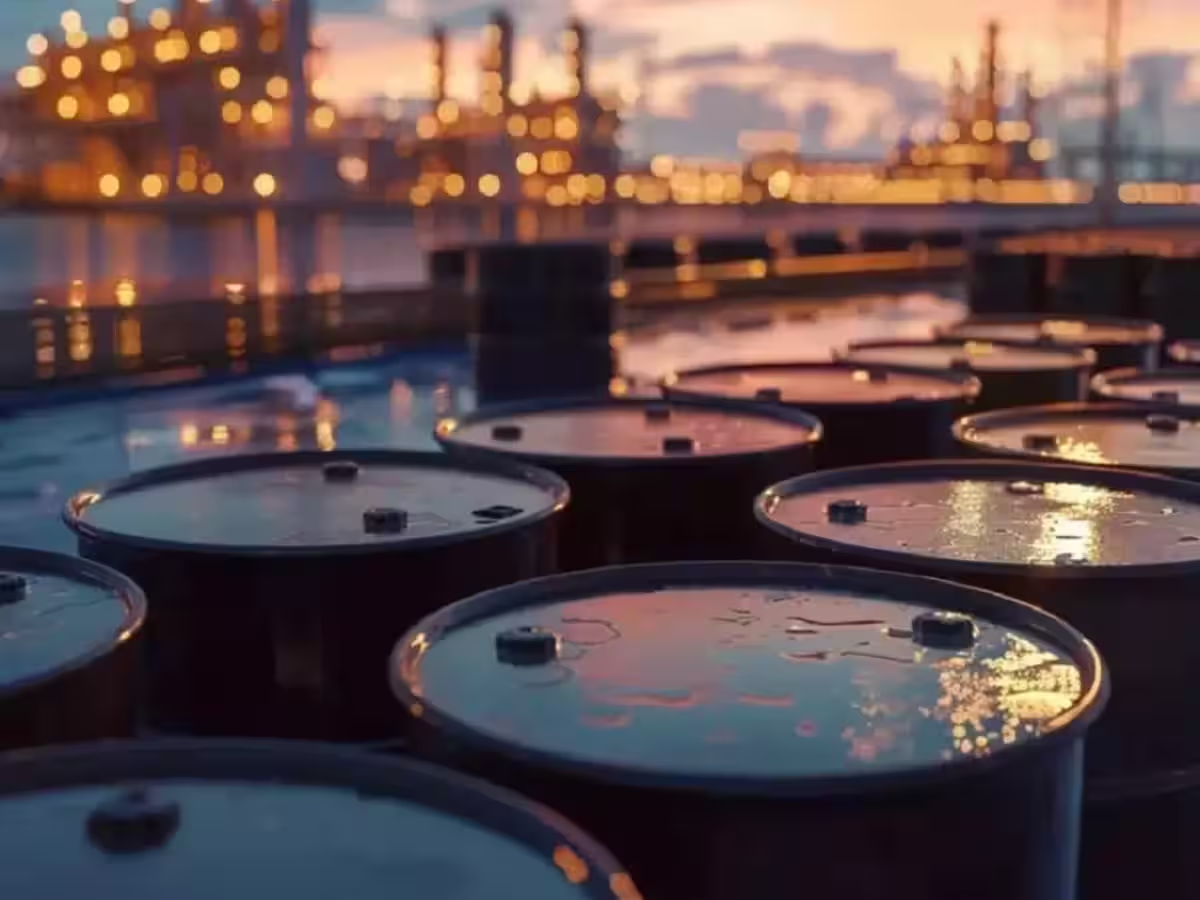
Unite's Operating Principle

Leave No Molecule Behind.

Producing fields to maximum recovery maximizes value for all stakeholders.

Major model

Largest, fastest-return capital programs.

Marginal-field owner

Pursues value that would not move a major's portfolio.

Better recovery

Field knowledge, existing wells and infrastructure.

Shared benefit

More production supports revenue, jobs, suppliers and development.

Development Model

Known resource. Defined work. A path to production — with funding gates between each stage.

1
Verify it

Confirm the resource, asset rights, field data and development basis.

Gate · documented rights
2
Plan it

Work program, budget, approvals, financing and infrastructure agreements.

Gate · approvals in hand
3
Build it

Fund wells, workovers, facilities, flowlines and production connections.

Gate · field work complete
4
Produce it

Commission the asset, stabilize volumes and report operating performance.

Gate · operating readiness
Capital discipline

The model begins with a discovered resource or production history, not frontier exploration. Funding advances only against documented rights, approvals, field work and operating readiness.
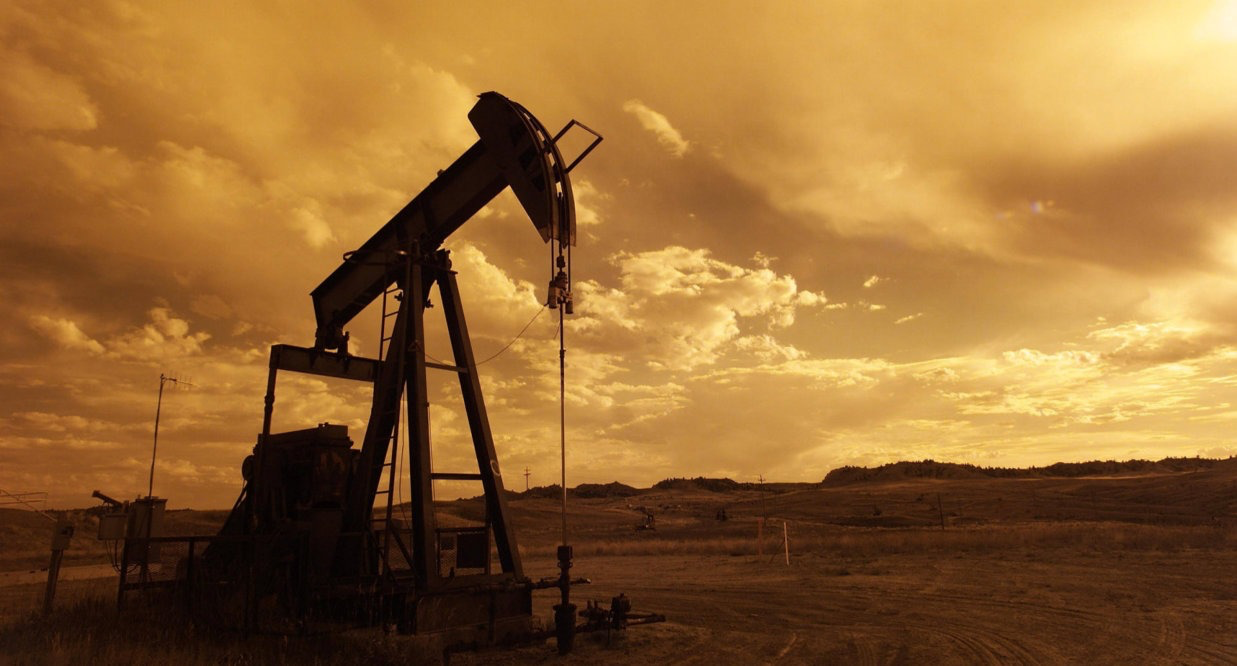
West Africa: The Structural Gap

When major capital moves on, two kinds of proven resource remain.

Type A · Mature producing assets
Decline driven by underinvestment, not depletion

Existing wells, facilities and export routes. Remaining recoverable reserves. Focused redevelopment can extend productive life.

Type B · Undeveloped discoveries
Hydrocarbons already proven through exploration
Commercially viable resources
Below a major's investment threshold
Nearby infrastructure can shorten development

A major's threshold is not a value verdict. Unite brings focused capital and operating experience to finish the work.

The Life Cycle of an Oil Asset

Two endpoints create the opening: a producing asset is divested, or a discovery never enters development.

1
Discovery

Hydrocarbons are discovered.

2
Development

Investment develops the field.

3
Peak production

Output ramps; value is maximized.

4
Decline

Output falls as costs rise.

5
Portfolio shift

Capital moves to larger or strategic priorities.

6
Divestment

Asset sold or farmed out.

Branch after 1
Discovery never developed

The resource remains proven but idle — it has not passed through production or decline.

Unite's entry point

Both routes — a divested producing asset (6) and an undeveloped discovery (branch) — arrive here. Unite acquires, redevelops and optimizes proven resources to unlock remaining value.

How We Intend to Participate

African leadership, operators and communities as partners in ownership.

Commercially disciplined

The mission tells us where to look. Independent technical, commercial and legal evidence tells us where the money goes.

Culturally responsible

African leaders, licence holders and operators sit inside the partnership and share in the decisions.

Financially equitable

Investors, sponsors and operators share one transparent set of economics.

Socially equitable

Communities around an asset receive a defined share of the profits it creates.

Investor profit share
Phase 1 · until investment is returned
Preferential profit sharing
Phase 2 · thereafter
40% of profits in perpetuity

Every party at the table, including the community, has a written share of the outcome. Nobody depends on goodwill.
The Partnership

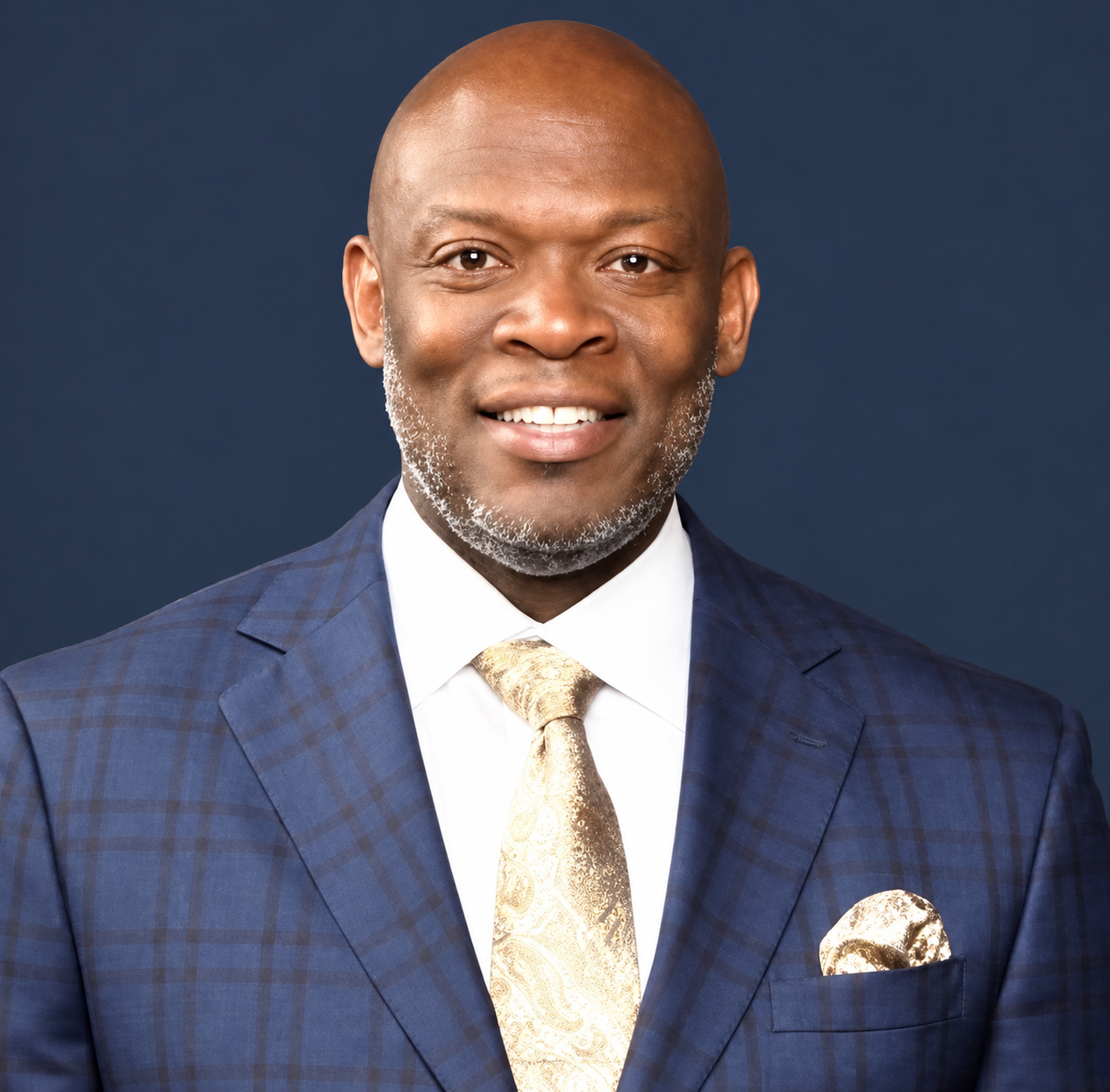
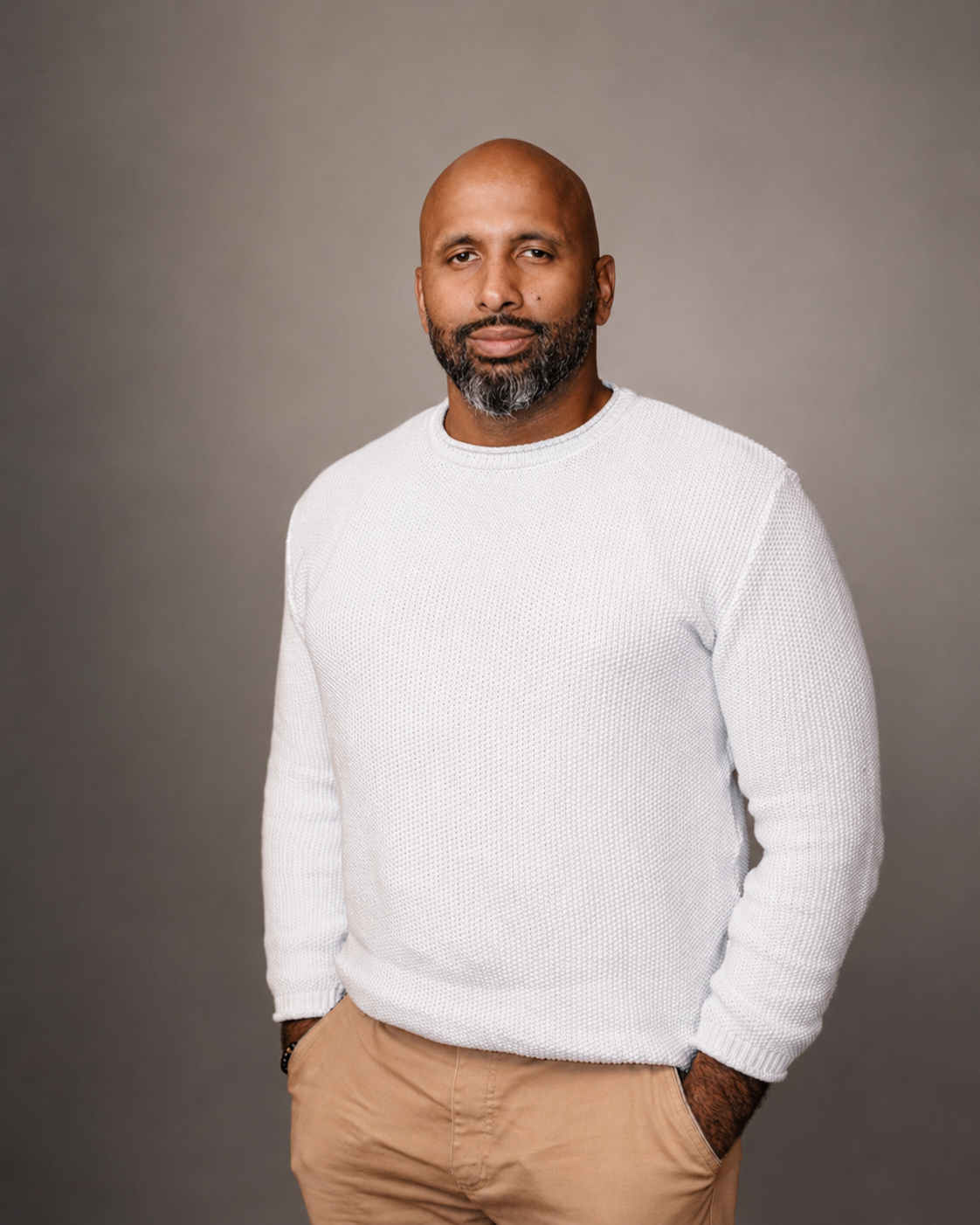
Two sponsors share the vision. Investors participate alongside them.

Yachtze Luchin
Runs the operation
Yachtze Luchin
President and CEO, Unite Oil and Gas International

Over 25 years in exploration, development and production.

His team evaluates every opportunity on technical and commercial merit.

Unite forms the working partnerships and manages development from closing through first oil.

Jeff Watkins
Tells the story, opens the doors
Jeff Watkins
Sponsor and documentary filmmaker

Makes the work visible as it happens, through the documentary and ongoing content.

Attracts investors, partners and communities who want to be part of it.

Former private wealth advisor, Merrill Lynch.

You invest alongside the people running the project; everyone is paid from the same field under one agreed set of rules.

The Team

Senior capability across resource, development, operations, commercial strategy, legal affairs and African energy relationships.

28
yrs
Yachtze Luchin
President & CEO

28 years across exploration, development and production. Leads strategy and partner negotiations.

34
yrs
Chinedu Ezenwukwa
Engineering Advisory Board

34 years in development, major projects and production operations across onshore and deepwater assets.

34
yrs
Bill Sharp
VP of Geosciences

34 years in exploration, resource assessment and field development. Leads subsurface and resource review.

40
yrs
Jude Kearney, Esq.
Commercial Advisor

40 years of global experience, including more than 30 years in oil, gas and commercial strategy.

36
yrs
William Lewis, Esq.
VP of Legal Affairs

36 years as general counsel and adviser on complex energy transactions.

37
yrs
Saif Alghfeli
Strategic Advisor to the CEO

37 years of global experience. Former CEO of Abu Dhabi National Oil Company Onshore.

These are individual career credentials. Unite's operating record begins with the first investment.

Capital Structure

$75Mtotal operation — one figure, two views
How it is funded
$25M
$50M
Equity · ~33%
Investor and sponsor equity
Debt · ~67%
Planned; final terms depend on the selected asset
Where it goes
$45M
$15M
$4M
$11M
Three new wells
$15M per well
Pipelines & facilities
Connections, processing, upgrades
Transaction
Diligence, financing
Working capital
Operating readiness

Development totals $60M ($45M wells + $15M facilities). With $4M transaction work and $11M working capital, both views total $75M.

Reference Project Economics

A 10 MMBO redevelopment case provides a reference.

Operating cost
$15–20

per barrel, modeled

Time to first production
12–18

months, modeled

Net present value
~$80M

at $80 oil, 10% discount rate

Initial capital payout
2–2.5

years, modeled

Reference case
Month 24
First oil target
Year 5
Investor distributions, subject to financing

Current Assumptions and Prior-Model Returns

A $75 million operation at $80 per barrel — conservative case.

Current planning assumptions
Less oil−25% vs operator estimate
Peak production8,000 bbl/d, not 10,000
Total capital$75M, incl. $60M development
First oilMonth 24
Oil price$80 base · $60 down · $100 up
Yr 1–2 · Build
Yr 3–4 · Produce
Yr 5 · Distribute
Field cash flow · $80/bbl
$M · royalties, taxes and state profit sharing included
14070
Yr 1Yr 2Yr 3Yr 4Yr 5Yr 6Yr 7Yr 8
Prior-model returns (8 years)If oil is $60If oil is $80If oil is $100
Money back for every $1 invested$1.28$2.60$3.92
Yearly return (IRR)about 18%about 32%about 43%

The plan targets first oil at month 24 and investor distributions from Year 5, after lender repayment.

The E4 Methodology

Four uncertain inputs, three cases each, tested in every combination before the upside is presented.

Downside
Base
Upside
Recoverable oil
per new well
2,000,000
barrels
3,000,000
barrels
4,500,000
barrels
Oil price
$60
$80
$100
Operating cost
per barrel
$25
$18
$12
Fiscal terms
Conservative
Base
Favorable
3 × 3 × 3 × 3
81
combined outcomes tested before presenting the upside.
Reference model range

$26M downside · $79M median · $135M upside  |  full modeled range $4M–$185M.

Mitigating the Risks

What can go wrong, and the protection written into the plan for each.

Risk
Proposed protection
Platform access
The plan depends on using the neighbouring platform.
A signed access agreement is required before any development money is released.
Government approvals
Approvals in Nigeria can be slow and political.
Senior Nigerian relationships; a structure that follows the new petroleum law; approval as a condition of closing.
Getting money out
Capital can enter a project and be hard to recover.
Co-managed accounts, independent audit, and a payout order fixed in the documents.
Selling the gas
More than half the resource is gas; no buyer is signed.
No gas revenue is counted until a sales agreement exists. Gas sold is a bonus.
Cost and delay
Offshore Nigeria projects run over budget and behind schedule.
$11M working capital inside the $75M; first oil targeted at month 24.
Oil price
A weak price can hurt a small field badly.
$80 base case with $60 downside and $100 upside scenarios.

No risk on this list is ignored or assumed away. Each one has a specific protection written into the plan.
Building with the Continent

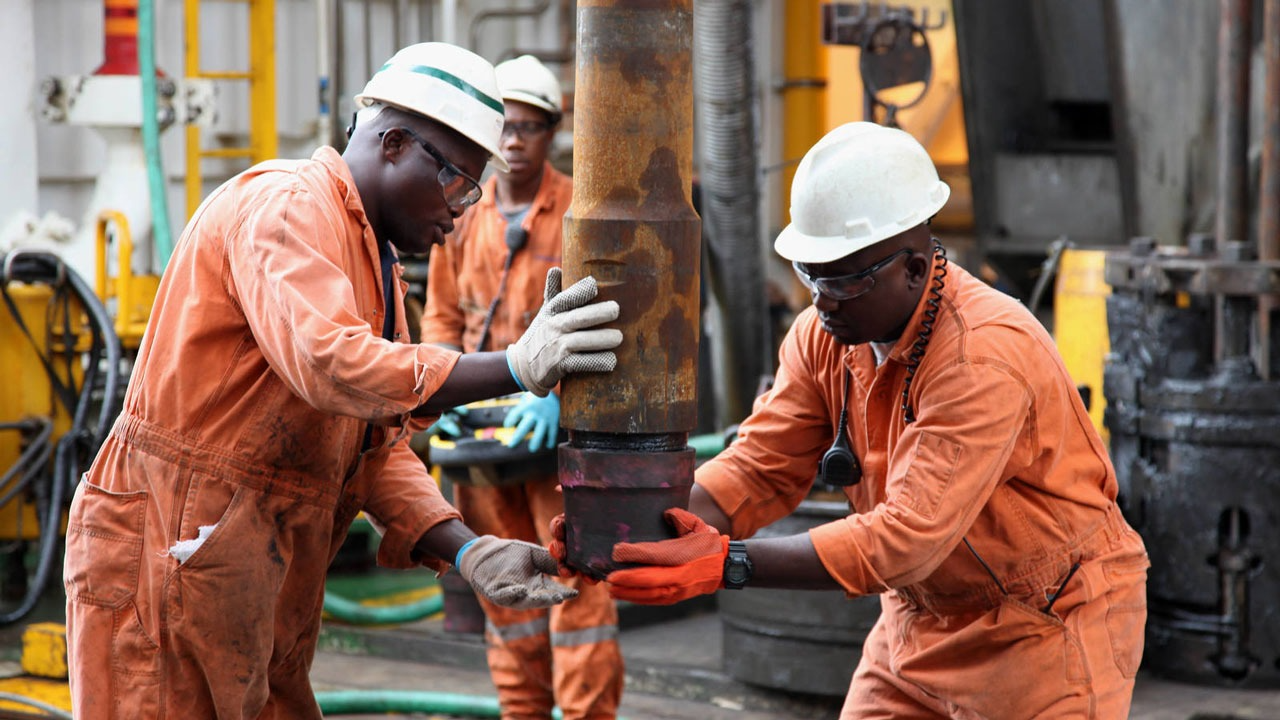
The community participates in the value created.

Charity after extraction is a poor substitute for a share of the value.

Community Prosperity Fund

A defined share of the project's net profits will be allocated to a dedicated Community Prosperity Fund. "Net profits" and allowable expenses will be clearly defined, independently verified and transparently reported.

In addition to the law

Nigeria's petroleum law already requires a Host Community Development Trust. The Fund sits on top of that requirement.

What the Fund Invests In

Community-selected priorities, paid from the same profits.

Local economic participation
Local hiring, workforce training and career development
Procurement from local suppliers and contractors
Support for community-owned enterprises and entrepreneurs
Partnerships that strengthen African operating capacity
Infrastructure and environment
Community-selected infrastructure and essential services
Energy access and locally identified development priorities
Environmental monitoring, protection and remediation
Long-term stewardship of the communities around the asset

The Fund is paid from the same profits investors are paid from. When the field does well, the community does well alongside you.
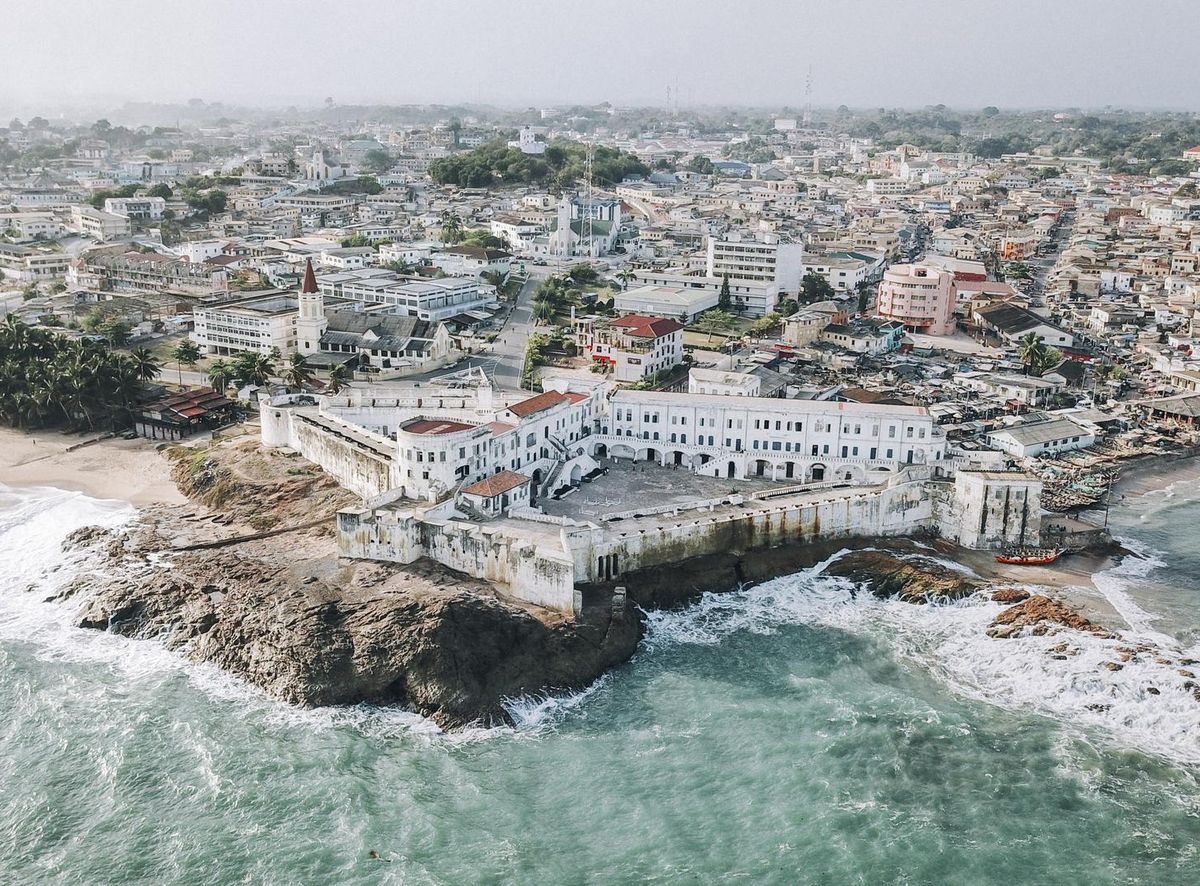
Ownership Comes Full Circle

Africa and its diaspora meet again — as owners.

Africa is not simply where the asset sits. African ownership is the point.

Who comes together

African asset holders and operating partners · diaspora capital with a direct economic stake · Unite's global energy and commercial experience · local talent, suppliers and community priorities.

What the first asset can prove

Ownership anchored in the asset itself · development built directly with communities, not around them · performance and accountability partners can see · a model that can open to what comes next.

What the First Investment Can Prove

Building the new model begins with this first asset.

01
Own it

Direct asset participation earns a meaningful place at the industry table.

02
Build shared value

Disciplined production can support amazing returns, African businesses, community infrastructure, jobs and local capability.

03
Make the proof visible

Documenting the ownership story from proposal to profits makes the vision visible.

Own it. Build shared value. Make the proof visible.
Contact
Jeff A. Watkins
jeff@beinoverflow.com